Lawn Care by Richmond Hill Neighbourhood
Richmond Hill stretches from sandy Moraine terrain in Oak Ridges to clay-heavy newer builds near Highway 7. Soil type, lot size, and neighbourhood age vary dramatically — here's what that means for your lawn.
Oak Ridges sits on the Oak Ridges Moraine — the soil here is predominantly sandy loam, which drains faster than the clay-heavy GTA average. That's good for standing water, but it means lawns dry out and go dormant earlier in July heat waves. We time our mowing visits to avoid cutting stressed grass (which worsens dormancy) and recommend our slow-release fertilization program to support deep root development through dry periods. Lots near Lake Wilcox tend to be larger (5,000+ sq ft) with more complex terrain.
Oak RidgesLake WilcoxJeffersonElgin Mills
Bayview Hill is one of Richmond Hill's most established and high-value neighbourhoods — properties here regularly run 5,000 to 12,000 sq ft of lawn and landscaping. The expectation is a manicured, hotel-quality finish every week, and homeowners here typically maintain professional landscaping year-round. Our crew brings commercial-grade equipment sized for these properties, and many Bayview Hill clients bundle weekly mowing with our garden maintenance and fertilization programs for a complete package.
Bayview HillDoncrestRouge WoodsObservatory
Westbrook and Jefferson are Richmond Hill's primary growth communities — built largely post-2000, with standard suburban lots of 3,000–5,000 sq ft on streets laid out for families. Newer sod here has had 10–20 years to establish, but clay-heavy subsoil in some pockets means drainage issues are common near mid-block properties. We recommend annual core aeration for Westbrook lawns showing compaction signs, and time our spring cleanups to coincide with when these slightly slower-draining soils are ready to work.
WestbrookCrosbyHeadfordNorth Richvale
Mill Pond and Richvale are Richmond Hill's established mid-century neighbourhoods — homes here were built in the 1960s through 1980s, lawns have deep root systems, and properties along Yonge Street have the highest foot traffic and visibility of any street in the city. Lots run smaller than the north end (2,000–3,500 sq ft typically), but these lawns are dense and well-established. The challenge is thatch — older lawns accumulate it faster — so we recommend biennial power raking as part of a spring cleanup for these properties.
Mill PondSouth RichvaleLangstaffYonge Corridor
Langstaff sits at Richmond Hill's southern gateway, bordered by Highway 7 and the rapidly intensifying Langstaff Gateway development zone. The area mixes long-established bungalows on 2,500–4,000 sq ft lots alongside newer townhome complexes where shared frontages require precise edging to maintain clean sightlines. Doncrest, just to the east, has predominantly clay-heavy soil from the former farmland — these lawns respond well to our slow-release fertilization program and benefit from annual core aeration to prevent surface compaction after wet springs. Our crews run the Langstaff–Doncrest corridor on Tuesdays and Thursdays, ensuring consistent service throughout the growing season.
LangstaffDoncrestSouth Richmond HillHwy 7 Corridor
Elgin Mills & Rouge Woods
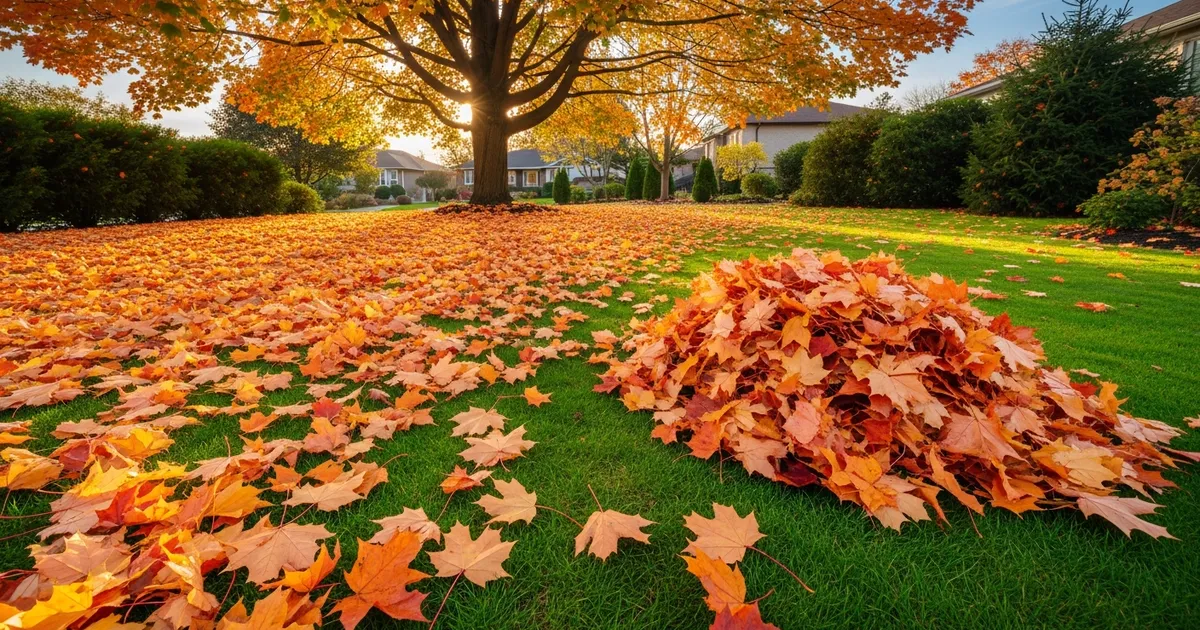
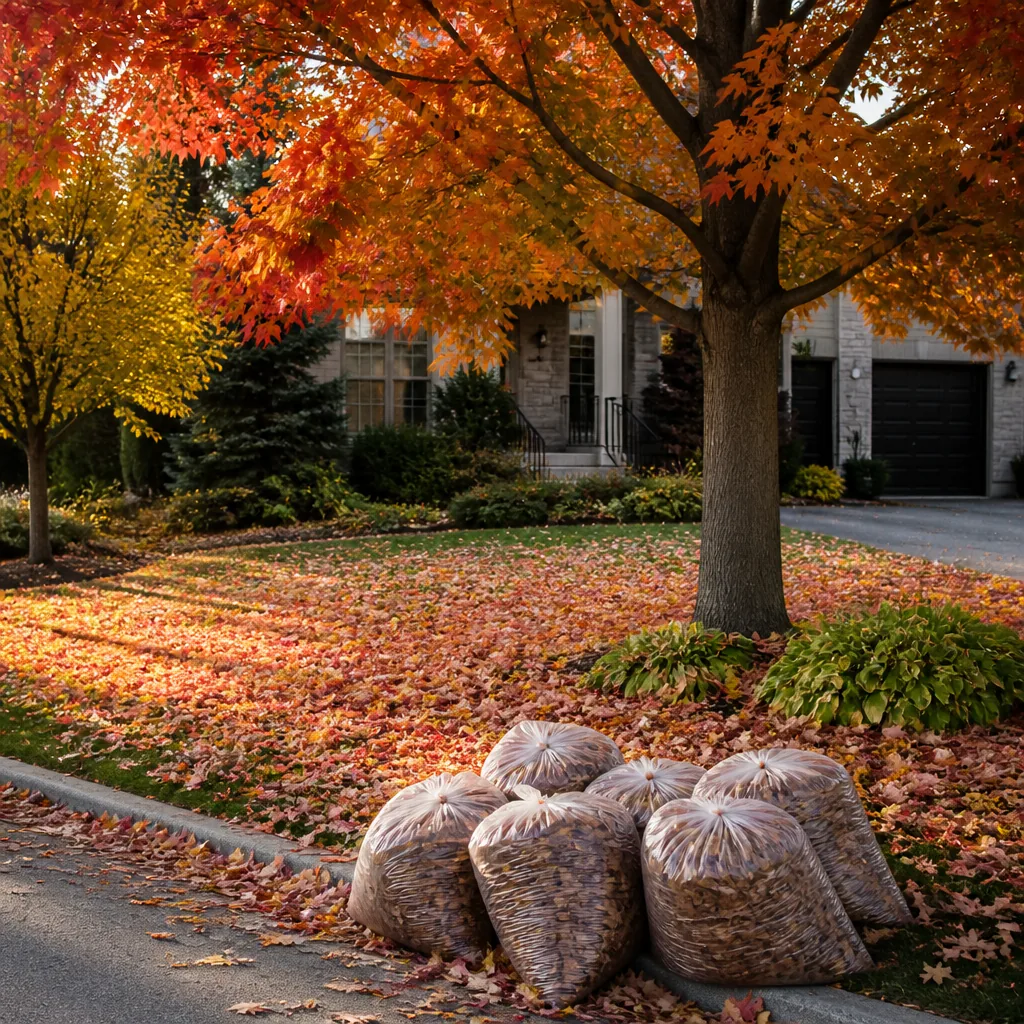
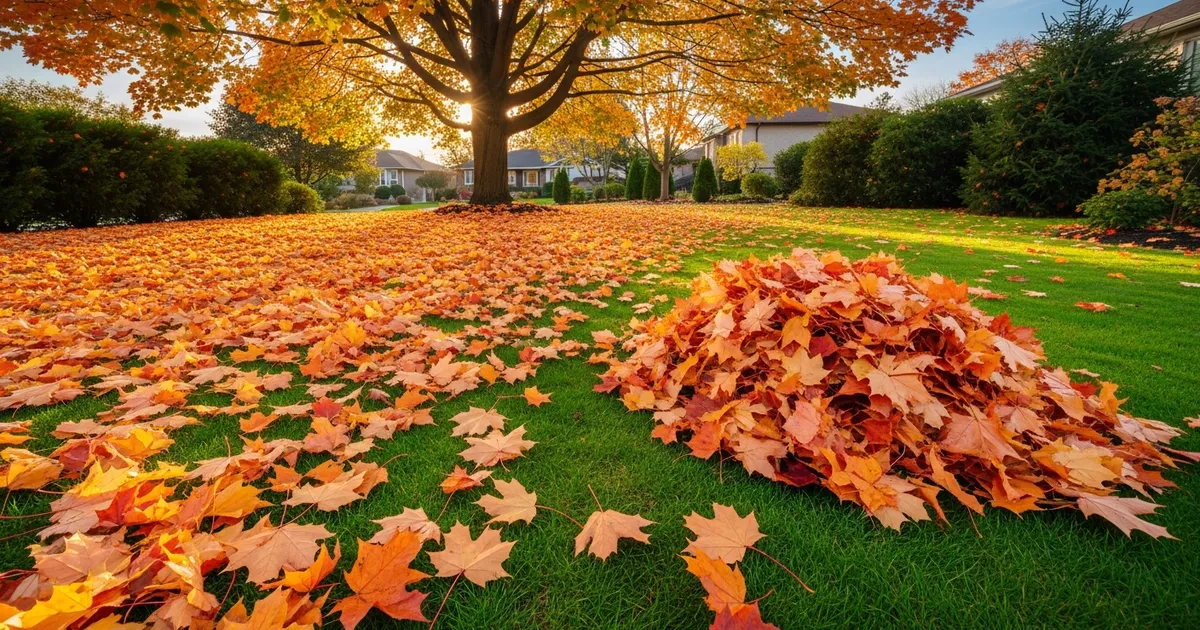
Elgin Mills stretches across Richmond Hill's eastern edge, connecting Yonge Street to Bayview Avenue through a broad band of family neighbourhoods built primarily in the 1990s and 2000s. Lots in this corridor average 3,500–5,500 sq ft, with many properties backing onto naturalized pond retention areas — which means rear yards face persistent moisture and shade challenges. Rouge Woods, at the eastern boundary near the Rouge River headwaters, has generous lots with significant tree canopy. Shaded turf needs a higher cutting height and less frequent watering stimulus; we adjust pass patterns and blade height per property, and pair this with fall cleanup services to manage heavy leaf fall from mature canopy.
Elgin MillsRouge WoodsObservatoryBayview–Elgin